Technical Training Case Study
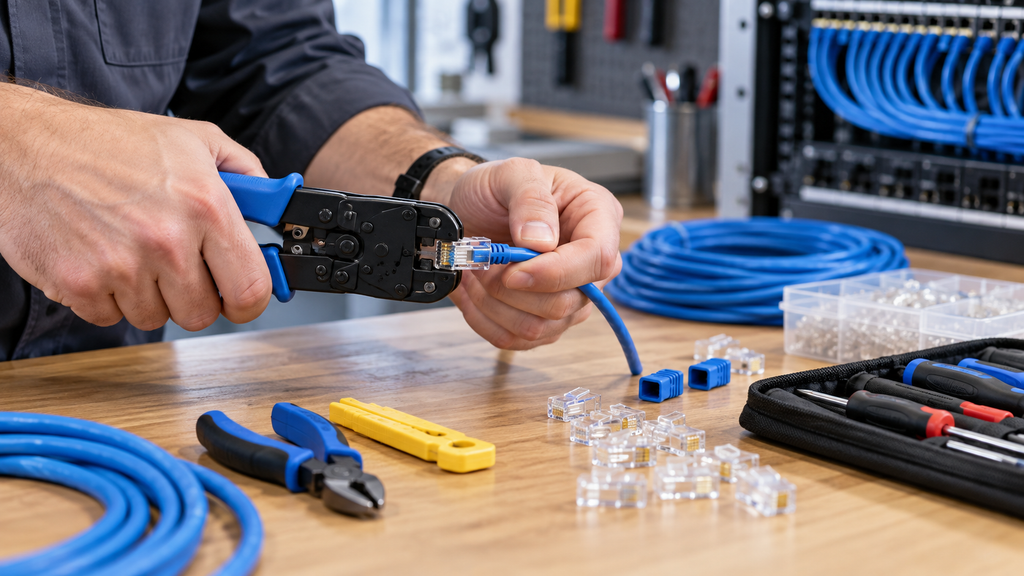
Project Type: Technical Instructional Video / Performance Support
Audience: FAA Engineering Services technicians and engineers
Primary Audience Size: Approximately 1,200
My Role: Instructional Systems Designer / Course Developer
Scope: 24 instructional videos totaling approximately 130 minutes
Responsibilities: SME collaboration, task analysis, scripting, visual design, video development, technical review, and quality assurance
Tools: Camtasia, Adobe Creative Cloud, Microsoft Office
Portfolio Note: This work supports FAA operations and contains proprietary and sensitive material. Original course assets, internal systems, and restricted content are not displayed. Examples and descriptions on this page have been generalized to demonstrate my instructional design process while protecting client information.
Overview
As part of my work supporting FAA Engineering Services, I developed a series of short technical instructional videos designed to reinforce hands-on skills and provide technicians and engineers with practical, task-based performance support.
The series includes 24 instructional videos totaling approximately 130 minutes of technical content, with most videos focused on a specific procedure, tool, or troubleshooting task. The goal was to transform complex demonstrations and highly technical information into concise instruction that learners could easily understand, review, and apply on the job.
The Challenge
Much of the source material for these videos came directly from experienced engineers, technicians, and subject matter experts. While the SMEs possessed deep technical knowledge, the information often needed to be reorganized and refined before it could function effectively as instruction.
My role was to identify the essential steps, remove unnecessary detail, establish a clear instructional sequence, and ensure that each video addressed not only what to do, but also the safety considerations, best practices, and common errors learners needed to understand.
My Process
I began by observing live training and working directly with subject matter experts to understand the task from the learner’s perspective. SME demonstrations and raw transcripts were then converted into structured instructional scripts.
My development process typically included:
SME Demonstration → Task Analysis → Script Development → Visual Planning → Technical Review → Video Production → Final Quality Review
I created and refined scripts, developed technical illustrations and supporting visuals, and produced prototype content in Camtasia. SMEs reviewed the material for technical accuracy, and I incorporated their feedback before final production. For many demonstrations, I also worked with a professional videographer to capture high-quality footage that could be combined with narration, graphics, callouts, and other instructional elements.
Instructional Approach
Rather than simply recording a technician performing a task, I structured each video as a focused learning experience. Videos typically included a brief introduction, required tools or materials, step-by-step instruction, visual callouts, safety considerations, practical tips, and a concise summary.
This approach allowed learners to quickly locate the information they needed while preserving the technical accuracy required for engineering and maintenance procedures.
Example Topics
The video series covers a variety of communications, electrical, fiber, and electronics procedures. Examples include:
- RJ45 connector installation and testing
- LMR-400 cable connector installation
- Punch-down cable and terminal block procedures
- Metal-flex and liquid-tight fittings
- Concrete anchor installation using a hammer drill
- Fiber preparation, fusion splicing, and connector procedures
- Equipment setup and troubleshooting
Results and Impact
The completed series consists of 24 technical instructional videos totaling approximately 130 minutes of content, developed primarily for approximately 1,200 FAA Engineering Services technicians and engineers. The videos are also available to a broader FAA audience with appropriate access, extending their potential use beyond the primary learner population.
The videos provide learners with concise, reusable performance support that can reinforce classroom and laboratory instruction while also serving as a reference after formal training has ended.
The project also required extensive collaboration with engineers, technicians, and subject matter experts, strengthening consistency between technical expertise and the instructional experience delivered to learners.
What This Project Demonstrates
This project highlights my ability to:
- Translate highly technical SME knowledge into clear instruction
- Design performance support for engineers and technicians
- Develop scripts, visuals, and multimedia around hands-on procedures
- Collaborate effectively with technical experts and production professionals
- Balance instructional clarity with technical accuracy
- Manage a multi-video learning project while maintaining consistency across the series